Discovering Peak Capability Using Advanced Mobility and Physical Control Drills for Athletes
Wiki Article
Competitors frequently concentrate on power and velocity to improve their capability, but flexibility and movement are just as important. Adaptability describes the ability of muscles and joints to shift through their full range of movement. Movement capability, on the other hand, entails the ease of movement in the articulations and how well they operate during activities. Both flexibility and movement capability training can help athletes boost their capability, reduce the risk of injuries, and accelerate healing time.
Incorporating flexibility training into an athlete's program helps preserve muscular elasticity. Stretching routines, such as stationary and dynamic stretches, are essential for improving adaptability. Stationary stretches involves maintaining a position for a period, while moving stretches entails moving parts of the body through their complete range of motion. Competitors who regularly engage in these stretching techniques can expect improved results as their muscle tissues become more pliable. This adaptability allows for more fluid motions during sports activities, which can lead to improved total sports performance.
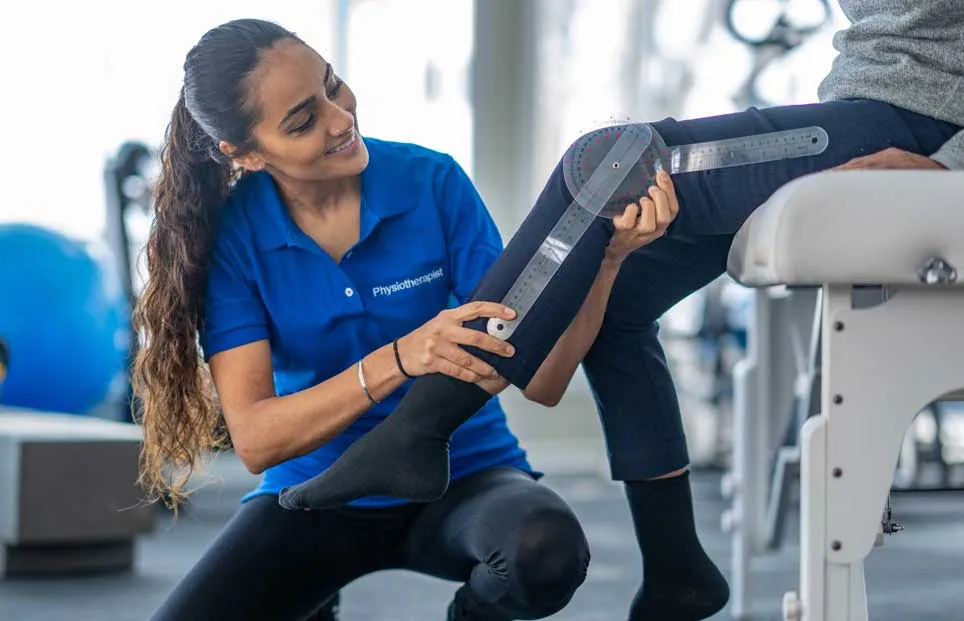
Mobility workouts targets articulation motion and control. It is crucial for athletes as it helps them maintain proper form during athletic tasks. Exercises that enhance mobility frequently involve movements that mimic the motions executed in a specific activity. For example, step-lunges and squats can enhance pelvic and foot mobility, which is necessary for running or jumping. By working on mobility, competitors can boost their body control and stability, which are critical elements of any sports performance.
Another advantage of improved adaptability and movement capability training is reducing injury risk. Stiff muscles and restricted articulations can cause misalignments that raise the chance of muscle strains or injuries. go to the website By including consistent mobility and visit the site movement routines into their programs, competitors can maintain their bodies functioning optimally. This preventive approach helps them stay in peak form and reduces recovery time due to physical setbacks. Trainers and mentors should prioritize these techniques as part of an athletic program to help they remain fit throughout their competitive seasons.
Finally, enhanced adaptability and mobility contribute to faster recovery after rigorous training sessions or events. When competitors preserve a high level of flexibility, they can reduce muscle soreness and stiffness post-exercise. Additionally, mobility work helps improve circulation to the muscle tissues, promoting recovery and repair. By prioritizing these elements of athletic preparation, competitors not only perform better but also prolong their careers by enabling their physiques to heal more efficiently after strenuous physical activity. Prioritizing adaptability and movement capability is essential in developing complete athletes who can perform optimally while reducing the risk of injury.